Boiler Losing Pressure in Bournemouth? Common Causes, Safe Checks, and When to Book a Repair
A boiler pressure gauge that keeps slipping down can leave you with chilly radiators, interrupted hot water, or a boiler that locks out altogether. A single gradual drop may follow routine work such as bleeding a radiator, but repeated pressure loss points to a system that needs attention.
For Bournemouth homeowners, the safest first step is simple observation. Check the gauge and look for visible signs of water, then contact a Gas Safe registered engineer if the pressure keeps falling or you spot a leak. Boiler pressure gives useful clues, but it does not identify the faulty part by itself. This guide explains what to check, what common faults may be involved, and how to arrange a useful repair visit without opening the boiler or attempting risky work.
What the pressure reading can tell you
Many sealed domestic heating systems sit at about 1 to 1.5 bar when cold, though the correct figure depends on the boiler and heating system. Follow the range in your manufacturer’s manual or on the boiler’s pressure gauge rather than relying on a generic number. When the heating runs, the reading usually rises as the water warms and expands. A modest rise is expected. A sharp climb towards the red zone, followed by a significant drop as the system cools, deserves professional assessment.
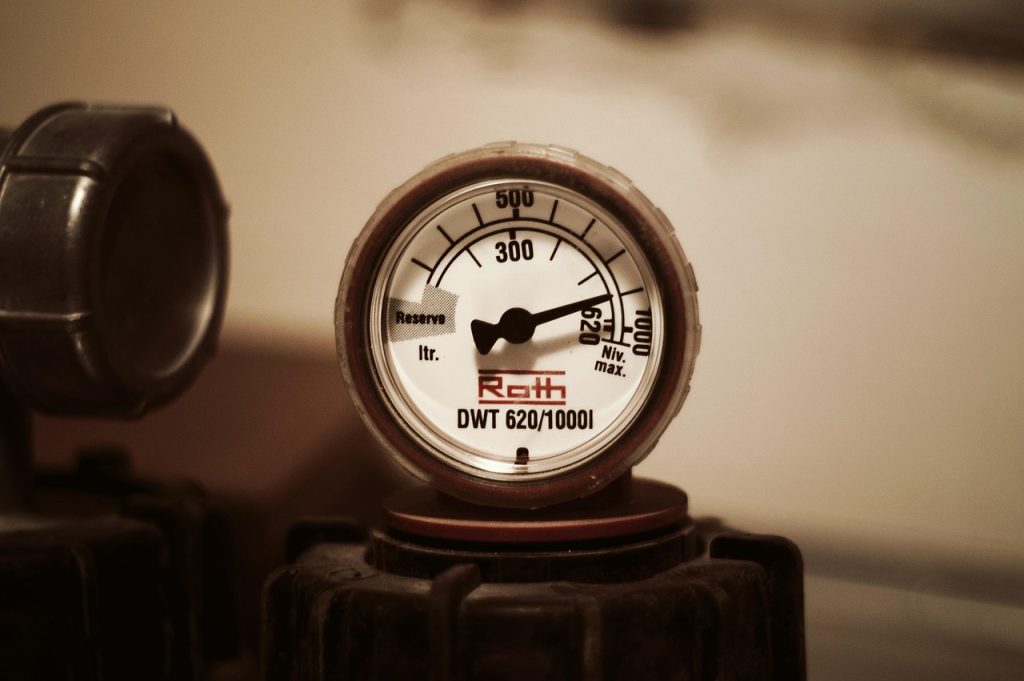
To check it safely, turn the heating off and let the system cool before reading the gauge. Find the gauge or digital pressure display as described in your manual, then note the reading. Some boilers show a needle dial, while others display pressure through the controls. Compare it with the manufacturer’s instructions and record the result, including whether the system was cold or recently running.
A gauge reading is a snapshot, so a short log can reveal more. Note the pressure once when cold and again after the heating has run, then check it later as the system cools. Do not remove the boiler casing, touch internal parts, or adjust unfamiliar valves to investigate. If the manual does not clearly explain a user check, leave it to an engineer.
Common reasons a boiler keeps losing pressure
A leak in the heating circuit
Water may escape from a radiator valve, a joint, an exposed pipe, or a concealed section beneath flooring. Small leaks can leave only a faint stain, green or white deposits, dampness, or a tiny bead of water. Look from a safe distance around accessible radiators, visible pipework, and the floor near the boiler. Avoid moving fitted panels or reaching into the appliance. A lack of visible water does not rule out a hidden leak.
A pressure relief valve releasing water
The pressure relief valve is a safety component designed to release water if system pressure becomes too high. Its discharge pipe commonly runs through an external wall. Water dripping from the pipe can indicate that the valve is passing water, that pressure has risen excessively, or that another fault has caused the release. You can observe the pipe end from a safe position, but do not block, cap, or alter it. A dripping discharge needs investigation by a qualified engineer.
An expansion vessel fault
The expansion vessel allows heated water to expand without causing a large pressure spike. If its air charge is lost or its diaphragm is damaged, pressure can rise sharply as the heating warms up. The pressure relief valve may then discharge water, and the gauge can fall when the system cools. This pattern is a clue rather than a diagnosis. Testing and recharging or replacing the vessel are professional tasks, often requiring work within the boiler. Many of these common boiler repair problems are easier to catch before they escalate into a full breakdown.
Recent bleeding or system work
Bleeding radiators releases air and can lower system pressure. A recent repair or refill can also be followed by a small change as residual air works its way out. If pressure continues to fall, needs regular topping up, or the boiler repeatedly stops, arrange an assessment rather than treating each drop as routine.
Safe checks you can make at home
You can gather helpful clues without dismantling anything. Keep the checks visual and follow your boiler manual.
- Read the pressure with the heating off and the system cool, then compare it with the model’s recommended range.
- Look for damp patches, drips, corrosion marks, or mineral deposits around accessible radiator valves and exposed heating pipes.
- From outside, check whether water is dripping from the boiler’s discharge pipe. Do not touch a hot pipe or try to stop the flow.
- Write down when the pressure drops, whether it changes while the heating is on, and whether any radiators were recently bled.
- Photograph the display and any visible moisture if you can do so safely. This may help explain the issue when you book.
Some manufacturer manuals describe how to top up a system using its filling loop. Only consider that if the manual for your exact boiler gives clear instructions, there is no visible leak or other warning sign, and you are confident you can follow the procedure. Stop at the specified pressure and close the filling valves as directed. If the controls are unfamiliar, the pressure is rising quickly, or the problem has happened more than once, do not keep topping up. Ask an engineer to assess it.
A low reading accompanied by a fault code may stop the boiler from operating. Record the code, but avoid repeated resets. A reset cannot repair a leak or failing component, and repeated restarting can make it harder to understand what happened.
When to switch the boiler off and get professional help
Arrange a repair promptly if pressure keeps falling after a correct top up, the gauge rises unusually high when the heating runs, water is leaking, the discharge pipe is dripping, or the boiler repeatedly locks out. Switch the boiler off using its normal controls if there is active leakage near electrical parts, water coming from the casing, or another condition that makes continued use unsafe. Do not remove the casing or attempt to repair internal components.
If you smell gas, suspect a gas leak, or a carbon monoxide alarm sounds, leave the property and call the National Gas Emergency Service on 0800 111 999. Follow emergency guidance and do not use the boiler. Carbon monoxide is odourless, so a working alarm is an important safeguard. Symptoms such as headache, dizziness, nausea, or unusual tiredness can have many causes, but if they occur alongside concern about an appliance, get everyone outside and seek urgent advice.
Why frequent topping up can make matters worse
Adding water may bring the gauge back into range temporarily, while the underlying leak or component fault remains. Repeated filling also introduces fresh oxygen into the heating water and can dilute corrosion inhibitor already present in the system. Over time, that can encourage corrosion and create more work for the heating system. The added water can also mask the pattern an engineer needs to diagnose the fault.
A top up is a limited response, not a repair plan. Keep a note of how often it is needed and tell the engineer. A pressure drop that returns within days, or a system that needs repeated attention, merits a proper inspection, and proactive boiler servicing can often catch developing faults before they cause a breakdown.
Choosing a boiler repair engineer in Bournemouth
For work on a gas boiler, choose an engineer who is currently registered with Gas Safe Register and whose qualifications cover the appliance work required. Search the official register by postcode or business, then check the engineer’s Gas Safe ID card when they arrive. The card shows the types of gas work they are qualified to carry out. Registration is specific, so it is sensible to verify the individual as well as the company.
When arranging a visit, ask whether the engineer covers your part of Bournemouth and whether the appointment is for diagnosis, repair, or both. Find out how the call out is charged, whether parts are extra, and whether you will receive an estimate before chargeable work begins. If the boiler is under warranty, check whether the manufacturer requires an approved service route before authorising repairs.
Give the booking team details that help them prepare:
- The boiler make and model, if visible without removing the casing.
- The pressure reading when cold and how quickly it falls.
- Any error code shown on the display.
- Whether the heating and hot water still work.
- Any visible water, dampness, or dripping from the external discharge pipe.
- Recent radiator bleeding, servicing, or heating system work.
- Whether the boiler is accessible and whether you have parking or entry arrangements to explain.
A clear account is useful even when you cannot identify the cause. You can ask the engineer what checks they expect to carry out, whether they can explain the findings before replacing parts, and what repair options are available if the boiler is older. A well-chosen boiler servicing plan can help assess general condition and safety, though it does not replace a fault visit when pressure is actively falling.
Frequently Asked Questions
Is it normal for boiler pressure to change when the heating is on?
Yes, pressure usually rises as water heats and expands. A large rise or a continued fall after the system cools should be checked against your boiler manual and assessed if it repeats.
How often should I need to top up boiler pressure?
The answer depends on the system and any recent work, but regular top ups indicate that water may be escaping or a component may need attention. Record each top up and arrange an engineer if the pressure keeps dropping.
Can I keep using the boiler while the pressure is low?
Follow the boiler manual and do not operate it outside its stated pressure range. If the gauge is very low, pressure is falling quickly, there is a leak, or the boiler shows a fault, switch it off if safe and contact a qualified engineer.
What should I tell a Bournemouth boiler engineer when I call?
Share the boiler make and model, the gauge reading, any fault code, how quickly pressure falls, whether heating or hot water is affected, and any visible leaks or discharge pipe drips. Mention recent radiator bleeding or work on the heating system.
A steady next step
A falling pressure gauge can point to a small leak, a pressure relief valve problem, an expansion vessel fault, or a recent change to the heating system. Careful observation helps narrow down the clues, while internal inspection and repairs belong with a qualified professional. Avoid repeated top ups, keep a clear record of readings and symptoms, and contact a Gas Safe registered boiler repair engineer serving Bournemouth when the drop persists. Acting on the pattern early can help protect your home and restore reliable heating safely.